Why Does My Pool Keep Turning Green? Causes, Fixes & Prevention
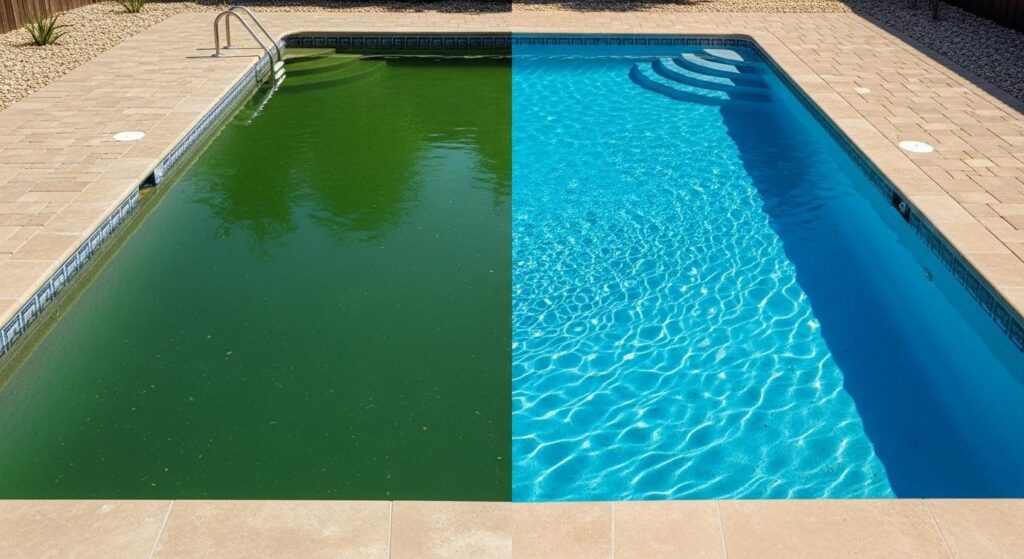
Imagine preparing your swimming pool for a relaxing weekend, only to discover that the beautiful blue water has suddenly turned green. It is one of the most frustrating problems pool owners experience, especially when the pool was recently cleaned.
Green swimming pool water is commonly associated with algae growth, but that is not the only possible cause. Poor circulation, insufficient chlorine, unbalanced water chemistry, and even dissolved metals such as copper can change the appearance of pool water.
The good news is that identifying the actual cause can make the problem easier to resolve and prevent from happening again.
Whether you manage a residential swimming pool or provide professional pool maintenance services, understanding why pool water turns green is essential for maintaining clean water and protecting pool equipment.
In this guide, we explore the most common causes of green pool water, how to identify the problem, practical treatment steps, and preventive maintenance strategies.
1. What Causes Swimming Pool Water to Turn Green?
The most common reason swimming pool water turns green is algae growth.
Algae are microscopic organisms that can develop when swimming pool conditions allow them to multiply. They can enter pools through wind, rain, contaminated equipment, or other environmental sources.
When sanitizer levels become insufficient, algae can grow rapidly and affect water clarity.
However, green water can also result from other water chemistry issues.
Common Causes of Green Pool Water
Low Chlorine Levels: Insufficient free chlorine allows algae and other microorganisms to develop.
Poor Water Circulation: Inadequate circulation can create areas where sanitizer distribution and filtration are less effective.
Dirty or Inefficient Filters: A clogged or poorly maintained filtration system may struggle to remove suspended particles.
Unbalanced pH: High pH can reduce chlorine’s effectiveness, making it harder to maintain proper sanitation.
High Copper Concentration: Dissolved copper can give pool water a green or blue-green appearance, even without an algae bloom.
Heavy Rainfall: Rain can introduce contaminants and increase chlorine demand, particularly when a pool receives substantial runoff.
Understanding which problem you are dealing with is the first step toward restoring clear water.
2. How to Identify Whether Your Green Pool Has Algae or Metals
One of the biggest mistakes pool owners make is assuming that every green pool needs an algae treatment.
Different causes require different solutions. Applying the wrong chemicals can make the situation worse or create additional water balance problems.
Green and Cloudy Water: Possible Algae Growth
When algae multiply in a swimming pool, the water often develops a cloudy green appearance.
Other signs may include:
- Green deposits on pool walls.
- Slippery steps and surfaces.
- Reduced water clarity.
- Green or cloudy water near corners.
- Increasing difficulty maintaining chlorine levels.
Algae can attach to pool surfaces or remain suspended in the water.
Green but Clear Water: Possible Copper Contamination
If the swimming pool water is transparent but has a noticeable green or blue-green tint, dissolved metals may be responsible.
Copper is a common cause of green or blue-green discoloration.
Potential sources include:
- Copper-based algaecides.
- Corroding pool equipment.
- Certain heater components.
- Metal-containing source water.
- Poorly balanced water that contributes to corrosion.
Before adding more chlorine or performing aggressive chemical treatment, test the water for copper and other metals.
Important: Water appearance alone cannot confirm the cause. Proper testing is necessary to distinguish algae growth from metal-related discoloration.
3. Why Does Chlorine Fail to Keep Your Pool Blue?
Chlorine is one of the most important disinfectants used in swimming pool maintenance.
It helps control microorganisms and supports healthy swimming conditions when maintained at appropriate levels.
However, several factors can reduce the available chlorine in pool water.
Sunlight Exposure
Ultraviolet radiation from sunlight can break down chlorine, particularly in outdoor swimming pools.
Cyanuric acid (CYA), also called chlorine stabilizer, helps protect chlorine from sunlight degradation.
However, excessive CYA can make chlorine management more difficult.
Heavy Swimming Activity
Swimmers introduce several contaminants into pool water, including:
- Sweat.
- Body oils.
- Dirt.
- Sunscreen.
- Other organic materials.
These substances can increase chlorine demand and affect overall water quality.
Incorrect pH Levels
Water pH affects how effectively chlorine works.
According to the CDC, maintaining pool pH between 7.0 and 7.8 supports effective disinfection while helping protect pool equipment and swimmer comfort.
For residential pools, CDC recommends at least 1 ppm free chlorine when cyanuric acid is not used, and at least 2 ppm when cyanuric acid or stabilized chlorine products are used.
Always follow applicable local requirements and treatment-product instructions.
4. How to Fix Green Swimming Pool Water
Restoring a green swimming pool requires a systematic approach.
Instead of adding multiple chemicals immediately, identify the cause, test the water, and follow an appropriate treatment procedure.
Step 1: Inspect the Pool Water
Start by checking the appearance of the swimming pool.
Determine whether the water is:
- Cloudy green.
- Transparent green.
- Blue-green.
- Dark green.
- Green with visible deposits.
Look for algae on the pool walls, floor, corners, and steps.
Also inspect the surrounding area for possible sources of contamination.
If the bottom or main drain cannot be clearly seen, close the pool to swimmers until visibility is restored. Poor water clarity can hide a person in distress and make rescue difficult.
Step 2: Test Water Chemistry
Use a reliable pool water testing kit to measure:
- Free chlorine.
- Total chlorine.
- pH.
- Total alkalinity.
- Cyanuric acid.
- Calcium hardness.
When water remains green despite apparently adequate chlorine and filtration, consider testing for copper and iron.
Accurate test results help determine which treatment is appropriate.
Step 3: Clean the Pool Surface
If algae are present, remove accumulated debris and brush the affected surfaces.
Pay particular attention to:
- Pool walls.
- Steps and corners.
- Shallow areas.
- Around ladders.
- Areas with limited circulation.
Use a brush appropriate for your pool’s surface material.
This helps loosen attached algae so they can be addressed through the treatment and filtration process.
Step 4: Check the Filtration System
A properly functioning filtration system is essential when restoring water clarity.
Inspect the following components:
- Pool pump.
- Filter pressure gauge.
- Skimmer baskets.
- Pump basket.
- Filter cartridges or media.
- Circulation return fittings.
Clean or backwash the filter according to the manufacturer’s instructions.
Ensure that water is circulating properly throughout the pool.
Step 5: Correct the Water Chemistry
Based on your test results, adjust the water chemistry using suitable treatment products.
If algae growth is confirmed, an appropriate chlorine treatment may be required.
The correct treatment depends on:
- Pool water volume.
- Current free chlorine.
- pH level.
- Cyanuric acid concentration.
- Type and severity of algae.
- Product formulation.
Avoid using random chemical quantities or combining multiple products.
Follow the manufacturer’s directions, wear appropriate protective equipment, and never mix pool chemicals together.
For significant algae blooms or persistent water-quality problems, consult a qualified pool professional.
Step 6: Continue Monitoring Water Clarity
After treatment, monitor the pool regularly.
Check sanitizer levels, pH, filtration performance, and the appearance of the water.
Remove dead algae and accumulated debris using suitable cleaning equipment.
Do not reopen the pool simply because the water looks blue again. Confirm that water clarity and chemistry meet applicable requirements.
5. How to Prevent Algae from Returning
Treating a green pool is only half the job.
Without consistent maintenance, algae can return and create the same problem again.
A reliable preventive routine can reduce the likelihood of recurring algae growth.
Maintain Appropriate Chlorine Levels
Test free chlorine regularly and maintain the appropriate concentration for your pool type and stabilizer level.
Do not allow sanitizer levels to remain insufficient for extended periods.
Keep Water Circulating
Pool pumps and circulation systems should operate according to the pool’s design and operating requirements.
Poor circulation can contribute to areas where contaminants accumulate and sanitizer distribution becomes less effective.
Brush and Vacuum Regularly
Brush pool walls, steps, and corners to prevent debris and algae from accumulating.
Vacuum the pool floor when necessary to remove settled dirt and organic material.
Monitor Cyanuric Acid
CYA helps stabilize outdoor pool chlorine, but excessive concentrations can make effective sanitation more difficult.
Test stabilizer levels regularly and make adjustments according to appropriate water chemistry guidance.
Clean Filters and Baskets
Keep skimmer baskets and pump baskets free from excessive debris.
Inspect the filter regularly and clean it when its operating pressure or the manufacturer’s instructions indicate that maintenance is required.
Remove Organic Debris
Leaves, grass, dust, and other organic materials can introduce contaminants into swimming pool water.
Skimming and regular cleaning help reduce unnecessary chlorine demand.
6. Can Rain Make Your Swimming Pool Turn Green?
Yes, heavy rainfall can contribute to green pool water.
Rainwater itself does not automatically create algae, but storms can introduce conditions that make algae growth more likely.
For example:
- Rain can dilute pool chemicals.
- Runoff may introduce dirt and organic contaminants.
- Increased debris can raise chlorine demand.
- Heavy storms may affect water balance.
- Reduced maintenance during bad weather can allow algae to develop.
After significant rainfall, inspect the pool, remove debris, and test water chemistry.
Pay particular attention to sanitizer levels, pH, filtration, and water clarity.
7. Why Does My Pool Turn Green Overnight?
A swimming pool can experience a noticeable algae bloom within a relatively short period when the conditions are favorable.
Several factors may contribute to sudden green water.
A Sudden Drop in Chlorine
If sanitizer levels become too low, algae can begin multiplying rapidly.
This may happen because of heavy swimmer activity, insufficient chemical dosing, or inadequate monitoring.
Warm Weather and Sunlight
Warm conditions and strong sunlight can create favorable conditions for algae growth, particularly when sanitizer levels are not maintained.
Poor Circulation
If the filtration system is not operating correctly, contaminants can accumulate and sanitizer distribution may become less effective.
High CYA Levels
Excessive stabilizer can interfere with effective chlorine management.
If a pool repeatedly develops algae despite regular treatment, testing CYA should be part of the investigation.
8. Common Mistakes to Avoid When Treating Green Pool Water
Some treatment mistakes can increase expenses and make recovery more difficult.
Avoid these common practices:
Adding Chlorine Without Testing: Always evaluate existing water chemistry before adjusting sanitizer levels.
Ignoring Copper Contamination: Green water may be caused by dissolved metals rather than algae.
Neglecting Filtration: Chemical treatment alone cannot replace proper circulation and filtration.
Using Too Much Algaecide: Excessive or unsuitable chemical applications can create additional water-quality problems.
Ignoring High CYA: Stabilizer buildup can make chlorine management difficult.
Swimming in Cloudy Water: Poor visibility can create a serious safety risk because submerged swimmers may not be visible.
Mixing Pool Chemicals: Different chemical products can react dangerously when mixed. Store and handle them according to manufacturer instructions.
9. When Should You Call a Professional Pool Service Company?
Some green pool problems can be resolved through routine maintenance, but more serious conditions require professional assessment.
Consider contacting a qualified pool technician when:
- The pool repeatedly turns green.
- Water remains cloudy after treatment.
- Chlorine levels are difficult to maintain.
- Copper or iron contamination is suspected.
- Algae continue returning.
- The filtration system is not working correctly.
- Pool surfaces develop unusual staining.
- Water balance becomes difficult to control.
Professional testing can help identify the underlying problem and prevent unnecessary chemical treatments.
A technician can also inspect pumps, filters, plumbing, and other equipment to identify operational issues.
10. Use Professional Pool Management Software to Prevent Recurring Problems
For pool service companies, managing multiple customer properties can become challenging.
Technicians need to remember maintenance schedules, record water chemistry results, complete inspections, and communicate any problems to customers.
When this information is managed manually, important maintenance tasks may be delayed or overlooked.
Pool management software can help businesses organize these responsibilities more effectively.
Track Water Chemistry History
Recording previous chlorine, pH, and stabilizer readings helps technicians identify unusual changes over time.
It also provides useful information when investigating recurring algae problems.
Schedule Regular Maintenance Visits
Digital scheduling helps service companies organize recurring pool cleaning, inspections, and chemical testing appointments.
Maintain Equipment Records
Keeping pump, filter, and equipment information in one place makes it easier to plan preventive maintenance and identify recurring faults.
Improve Customer Communication
Digital service reports can help customers understand what was inspected, which maintenance activities were completed, and whether additional attention is required.
An organized maintenance process helps pool service businesses deliver more consistent customer service.
Final Thoughts: Keep Your Swimming Pool Clear, Clean and Healthy
Green swimming pool water is usually a sign that something needs attention.
Although algae growth is the most common cause, metal contamination, poor circulation, filtration problems, and unbalanced water chemistry can also affect pool appearance.
The most effective solution starts with identifying the actual cause rather than immediately adding more chemicals.
Regular testing, proper filtration, surface cleaning, and preventive maintenance can help reduce recurring problems and protect pool equipment.
Whether you maintain a backyard swimming pool or manage multiple customer properties, understanding water chemistry is essential for reliable pool care.
A beautiful blue pool is not just about appearance. It is the result of consistent testing, effective sanitation, and proper maintenance.